ABOUT US
LEARNING NURSING
AT THE RED CROSS
AT THE RED CROSS

DISASTER
NURSING
A Systematic Curriculum for Disaster Nursing
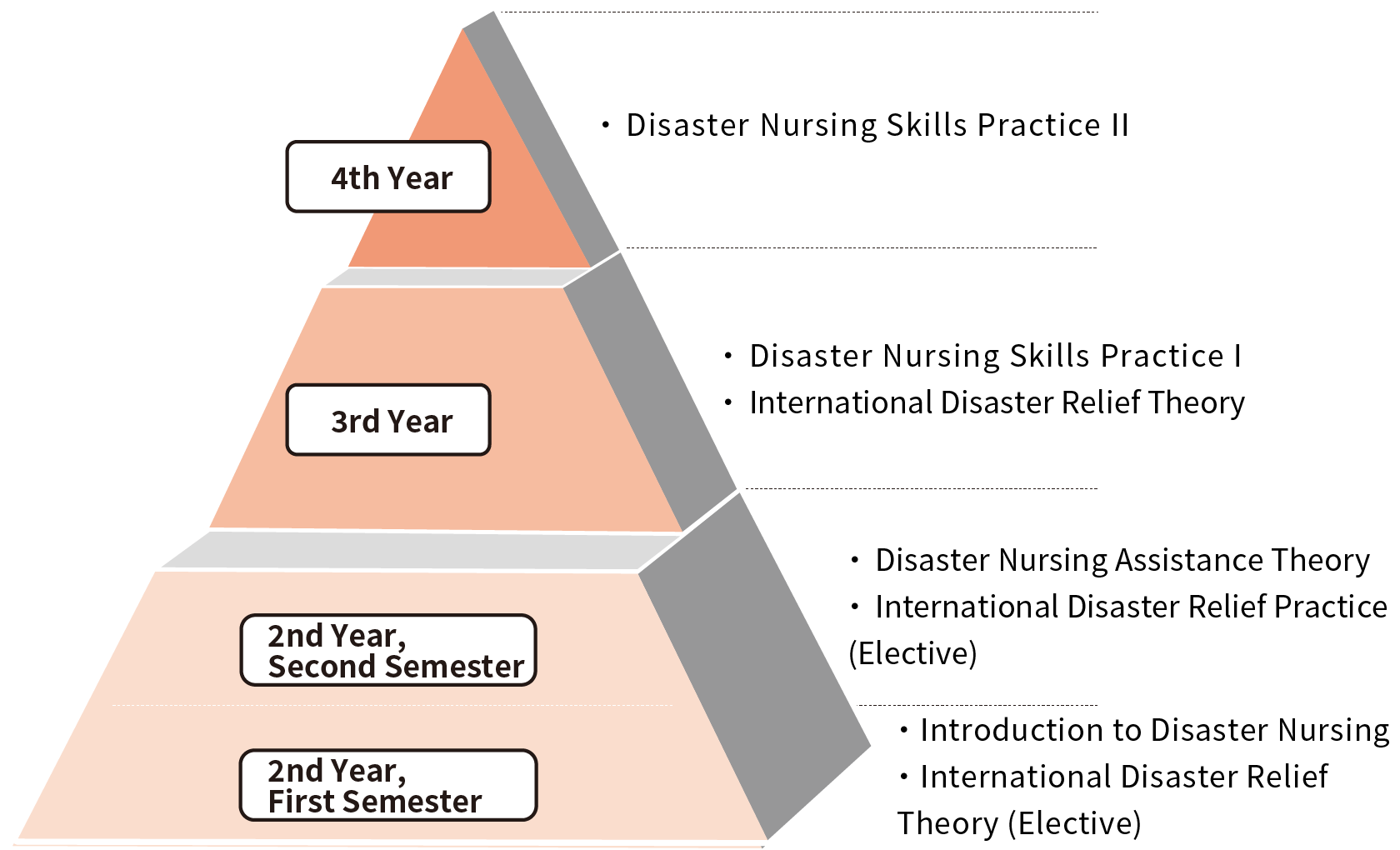
Japanese Red Cross Toyota College of Nursing offers a curriculum that systematically teaches the knowledge and skills that nurses need in disaster situations, both in Japan and abroad. The curriculum moves step-by-step from basic to applied learning. After acquiring essential knowledge, students perform technical exercises, followed by disaster simulation training.
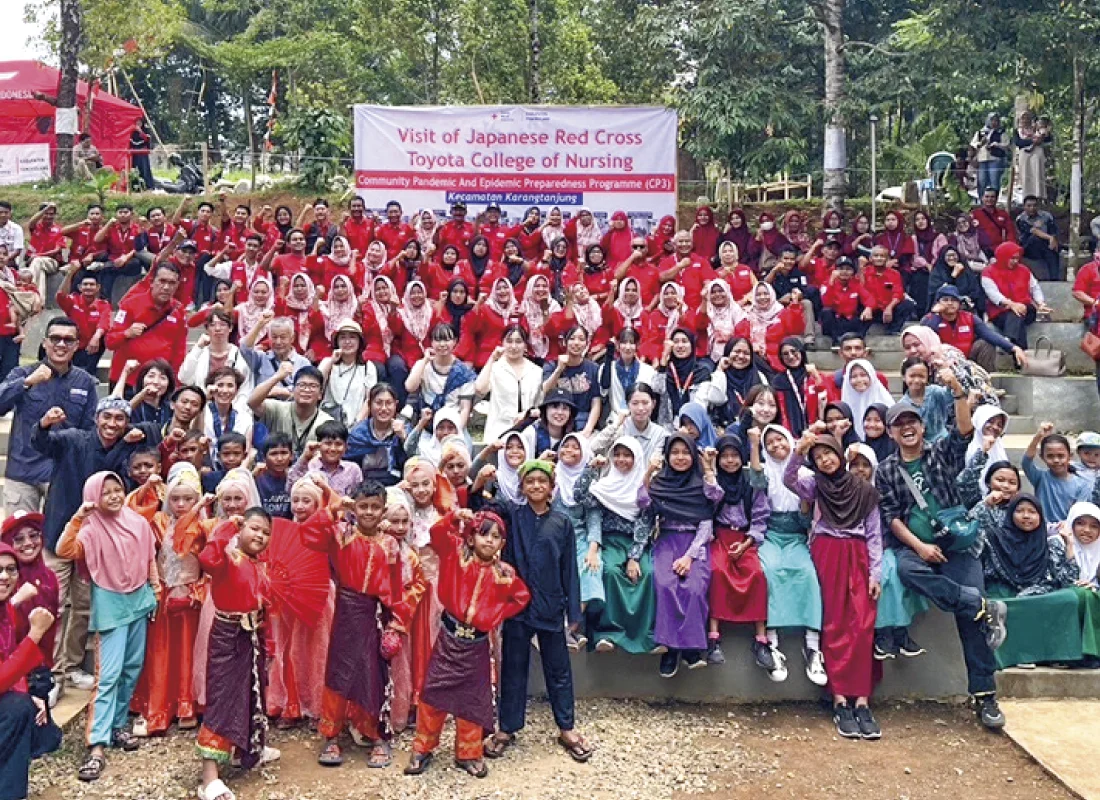
Students visit Indonesia to learn about people’s different cultures, lives, and healthcare systems by interacting with the locals and touring facilities. They gain a deeper understanding of international support programs and nursing from a broad humanitarian perspective.
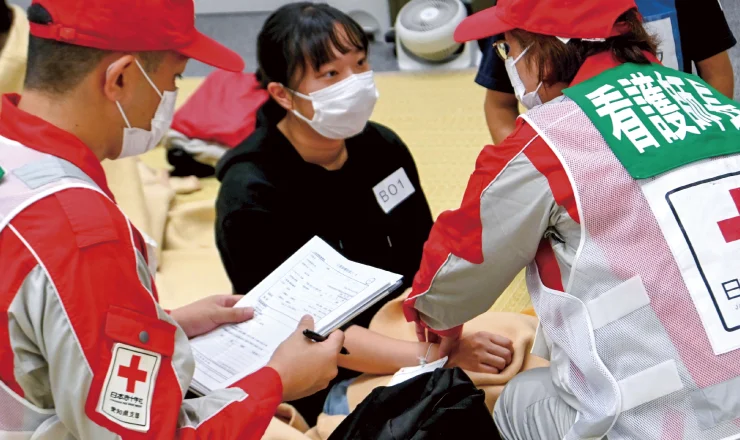
During the Disaster Management and Mitigation Training for the Community event held in Toyota, the College provided facilities such as gyms as training venues. College student volunteers played the roles of disaster victims and injured people.
After the 2024 Noto Peninsula Earthquake, DMAC wondered what they could do to help. They organized a charity stall at Japanese Red Cross Toyota College of Nursing festival to help support people in the affected areas. They also held a photo exhibition to spread the word about what was happening in the disaster zone and the relief efforts being made there.
DMAC (Disaster Management Assistance Circle)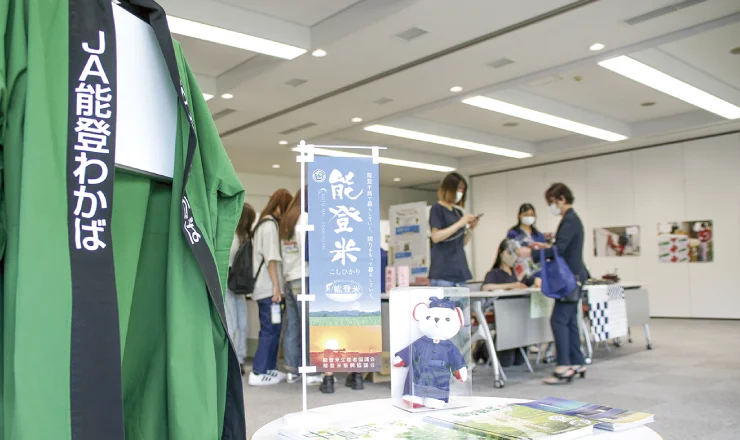

GLOBAL
This program allows students to improve their English skills in Australia while they learn about healthcare and welfare. Participants hone their English alongside students from other countries at the University of Wollongong’s affiliated college and stay with local families to experience Australian culture and daily life. Students attend joint classes with local nursing students, giving them the chance to look at healthcare from different perspectives. Visits to the Australian Red Cross enable the students to learn about how different social backgrounds mean different approaches, and this enhances their understanding of the Red Cross internationally.
Read more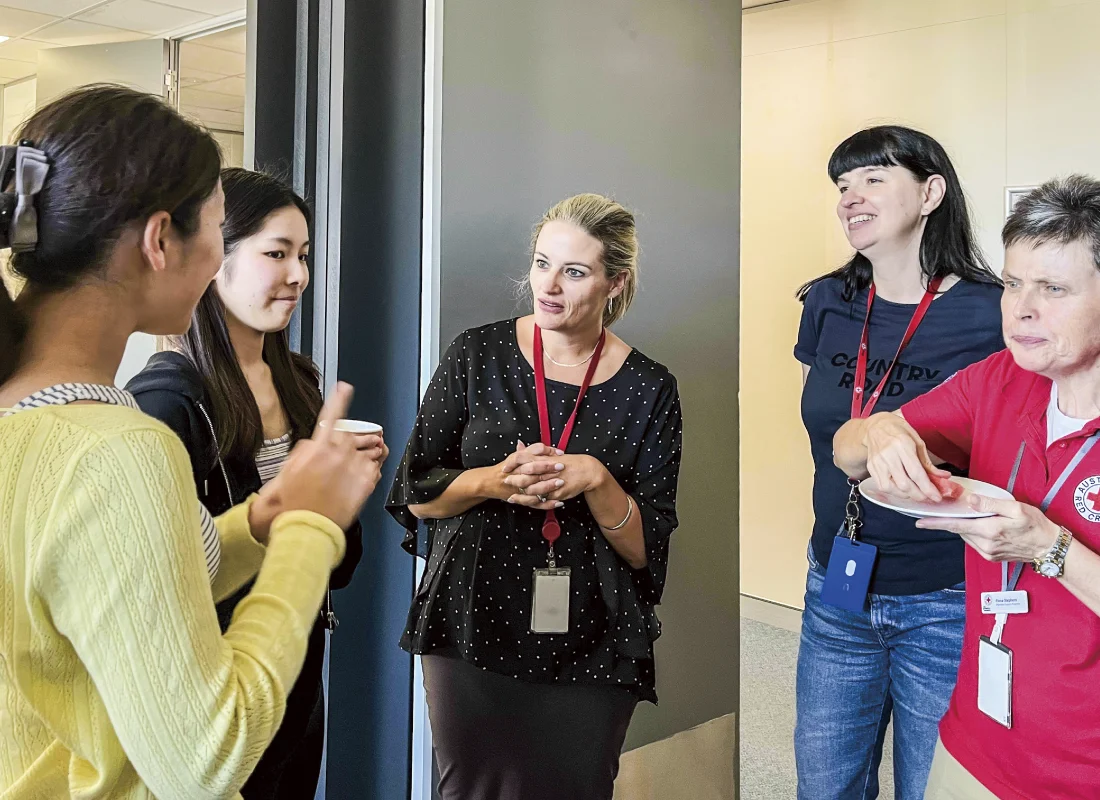
Japanese Red Cross Toyota College of Nursing established an international exchange agreement with Thai Red Cross College of Nursing in 2018. Each year, students are sent to each other’s institutions for training. Students learn about each other’s national Red Cross activities, healthcare systems, and cultures, and this strengthens their bonds. English serves as the common language, enhancing both the students’ language skills and their ability to communicate.
Read more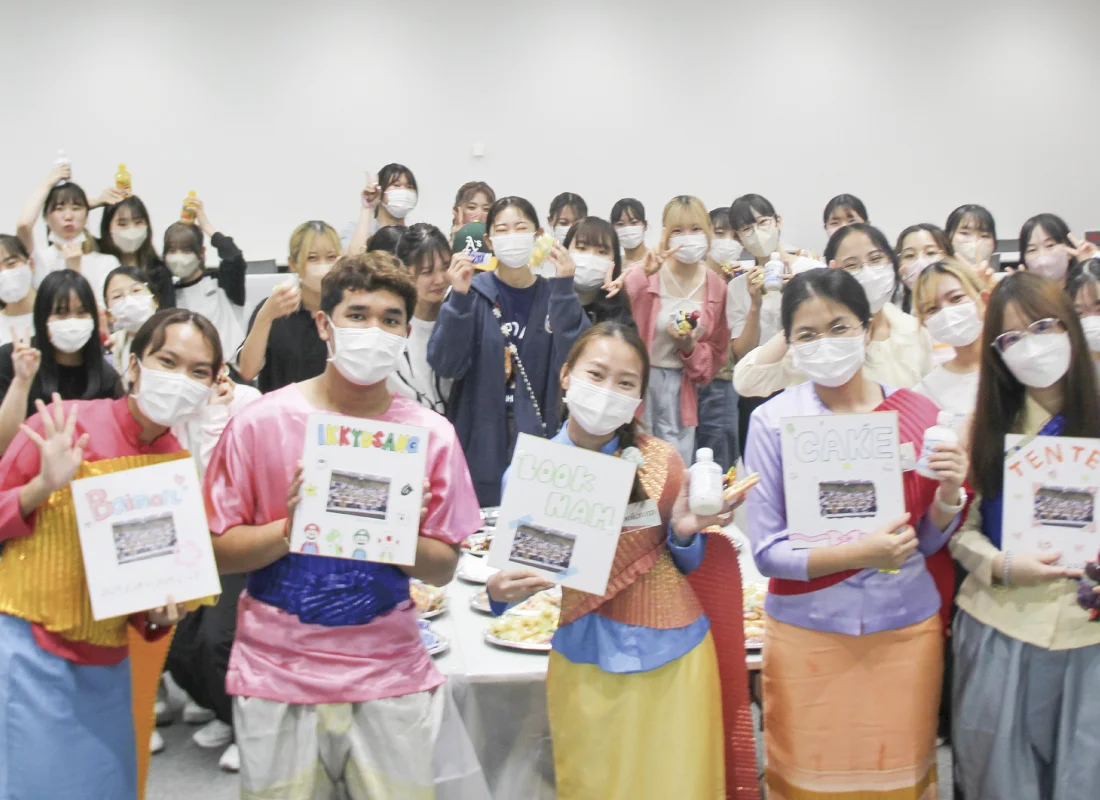
In October 2024, we signed an international exchange agreement with the Red Cross College of Nursing at Chung-Ang University in Korea, making it our second partner institution after Thai Red Cross College of Nursing. The Red Cross College of Nursing at Chung-Ang University is one of the most outstanding nursing schools in South Korea. We will continue into the future with a range of mutual projects, including student exchange and academic collaboration.
Read more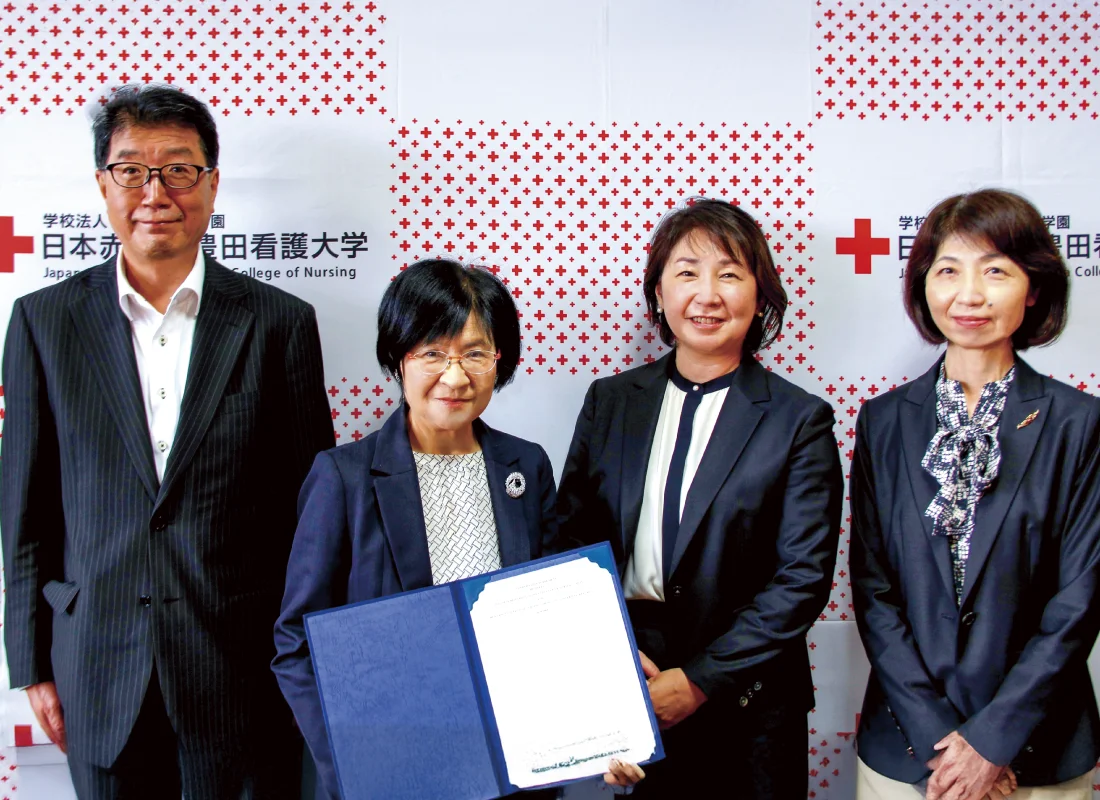
The Serendipity group provides health education to children in Cambodia. In March, they travel from Japan to Cambodia to run health education and health surveys at elementary schools. They interact with children from overseas backgrounds and run a variety of regular programs on a daily basis.
The Serendipity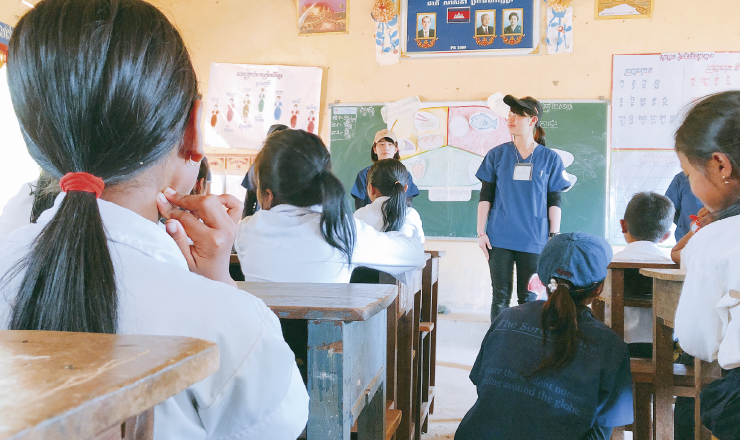
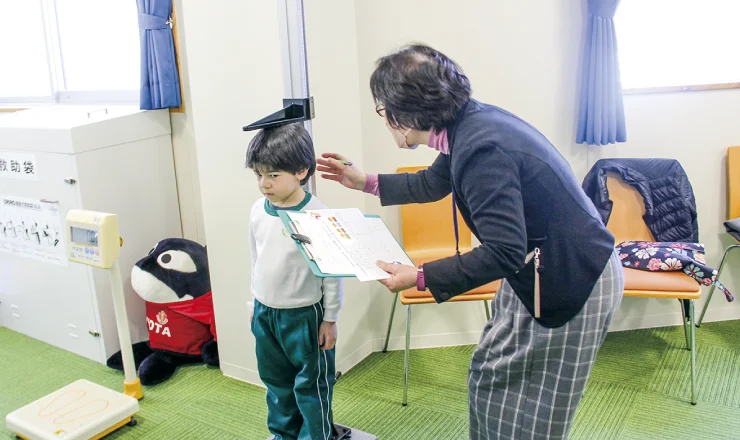
Since the 2016 academic year, Japanese Red Cross Toyota College of Nursing has taken annual physical measurements of preschoolers and students at the Brazilian Escola Alegria de Saber school in the Homi district of Toyota. The goal of this project is to encourage children to take an interest in their own physical growth and health.

REGIONAL
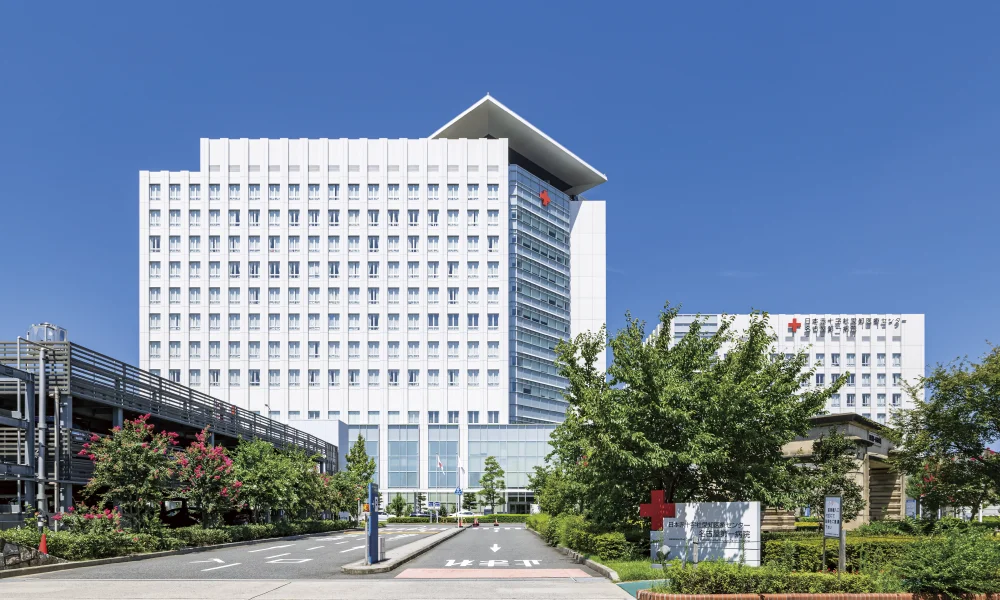
Japanese Red Cross Aichi Medical Center Nagoya Daiichi Hospital
This hospital serves as a hub for the advanced acute-phase medical care of residents in western Nagoya and surrounding municipalities. It also focuses on specialized medical services such as the Blood and Marrow Transplantation Center and genomic medicine, as well as robot-assisted surgery using the da Vinci system.
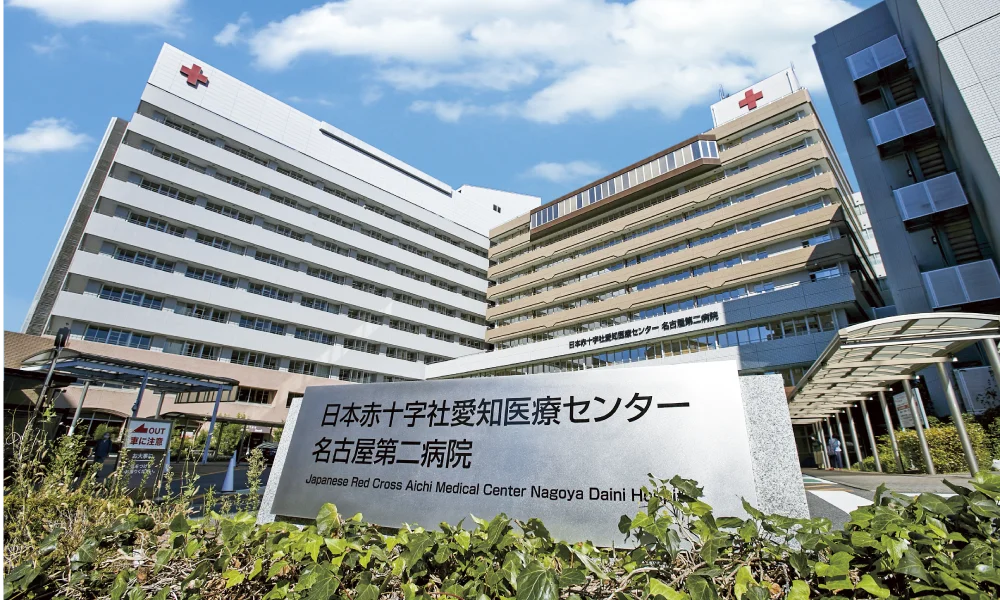
Japanese Red Cross Aichi Medical Center Nagoya Daini Hospital
This highly specialized acute care hospital in eastern Nagoya focuses on emergency medical services for tertiary emergency care, advanced medical care (including minimally invasive surgery), regional collaboration, and disaster medicine. It also serves as an international medical relief base hospital.
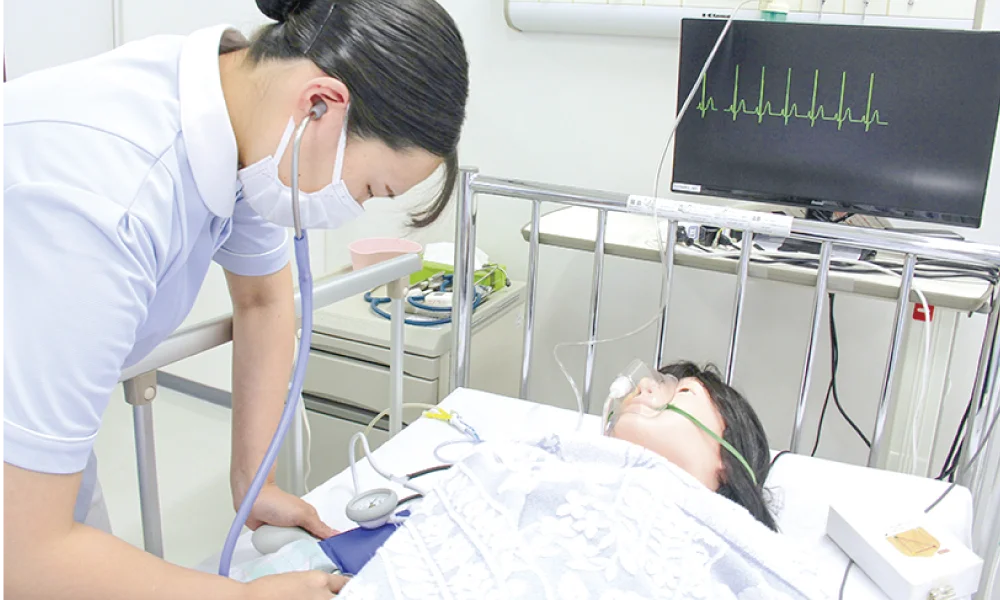
On-campus training sessions allow students to learn nursing skills in simulated clinical settings by using simulators that replicate real patient conditions. Before students start their hospital placements, they practice over and over to make sure they can make the right observations and judgments.
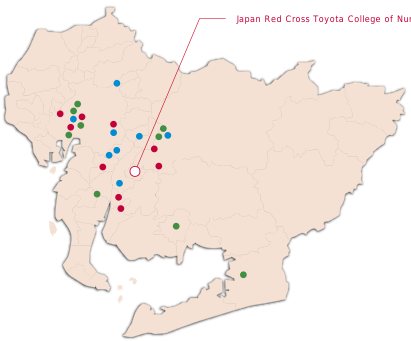
Japanese Red Cross Toyota College of Nursing
Japanese Red Cross Toyota College of Nursing has about 100 clinical training facilities. These include not only the two major Red Cross hospitals in Aichi Prefecture, but also non-Red Cross hospitals, midwifery clinics, childcare centers, disability support centers, home-visit nursing stations, the Medical Affairs division of prefectural government offices, the Aichi Nursing Association, public health centers, and corporate health management centers. Students develop practical skills through a range of clinical placements.
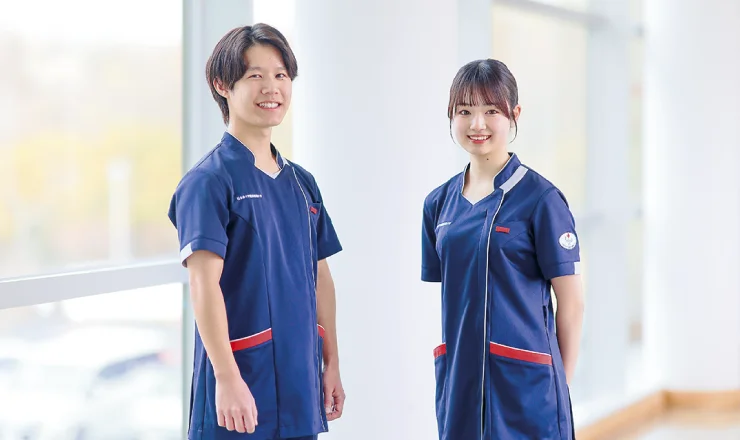
We have adopted a unisex design that anyone can wear comfortably. It is based on the fundamental principles of the Red Cross and takes into account the diversity of modern society. The design features a navy blue background, which conveys calmness and trust, accented with the Red Cross’s symbolic color, red. We look forward to seeing our enthusiastic students chasing their dreams in their newly designed uniforms!